The May 19 primaries in Kentucky, Oregon and Pennsylvania were the busiest single date of the 2026 cycle to date — and a study in how differently states administer the same function. In Kentucky's Democratic U.S. Senate primary, election-night tallies showed Amy McGrath leading with roughly 36 percent of the vote, ahead of state Representative Pamela Stevenson, per NPR's results compilation, with the outcome pending the state canvass. Pennsylvania and Oregon held congressional and statewide primaries that will shape one of the fall's most competitive House maps.
Three systems, one Tuesday
- Kentucky: a closed primary — only registered party members may vote in that party's contest — counted by machine with mail ballots processed under state schedule.
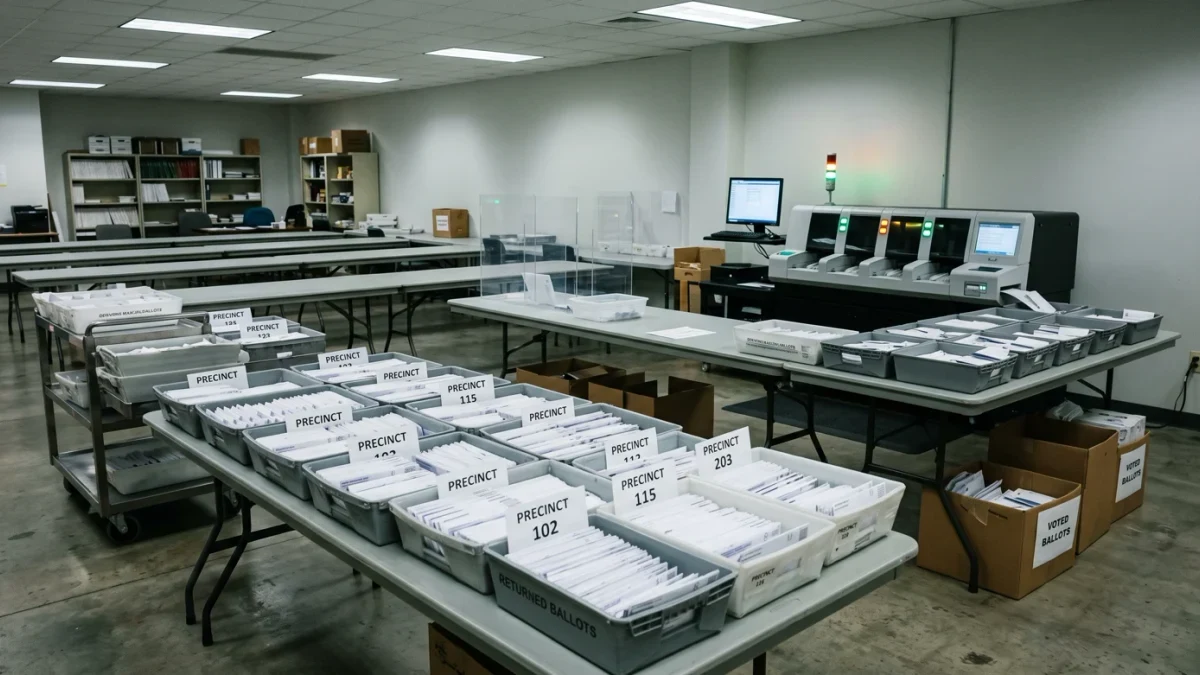
- Oregon: all-mail voting since 2000, with ballots postmarked by Election Day counted as they arrive for up to seven days after, which is why Oregon's results finalize slowly by design.
- Pennsylvania: a hybrid — in-person Election Day voting plus no-excuse mail ballots that, under the state's law, may not be processed before polls close, producing the late-night «blue shift» pattern the state has shown since 2020.
Why the counting differences matter
Each system's timeline is statutory, not discretionary. Oregon's week-long reception window and Pennsylvania's pre-canvass ban mean incomplete election-night totals are a feature of the laws, not evidence of problems — a distinction that matters in close races, where margins legitimately move for days. Kentucky's canvas deadline — ten days after the primary for recanvass requests — was the operative clock for its leading contest this month.
What comes next
State canvasses certify the nominees; general-election ballots go to military and overseas voters 45 days before November 3; and the June primary calendar — among the cycle's heaviest — follows within weeks. The May 19 fields are now locked unless a nominee withdraws under each state's substitution rules.
The procedural consequence
The night's real lesson is administrative: the same democratic event produced three different results timelines because three legislatures wrote three different sets of counting rules. Reading 2026's remaining primaries — and November itself — means knowing which system each state runs before interpreting any partial count.
FAQ
Why do Oregon results take days?
Ballots postmarked by Election Day may arrive and be counted for seven days — a statutory reception window, not a delay in counting received ballots.
What is Pennsylvania's pre-canvass ban?
County election offices may not open or scan mail ballots before polls close on Election Day, which back-loads their counting into the night.
What is a closed primary?
A primary in which only voters registered with a party may vote in that party's contest; independents are excluded, unlike in open or semi-closed systems.