Who Runs U.S. Elections? Federal, State and Local Roles
Local administration, state rules and federal authority do different jobs. The distinction matters before assessing any claim about election control.
Nathan Brooks · October 23, 2026Local administration, state rules and federal authority do different jobs. The distinction matters before assessing any claim about election control.
Nathan Brooks · October 23, 2026Two ways to pick a nominee, two very different electorates — and the difference shapes who runs, who wins, and who shows up.
Alexandria Lucas · October 21, 2026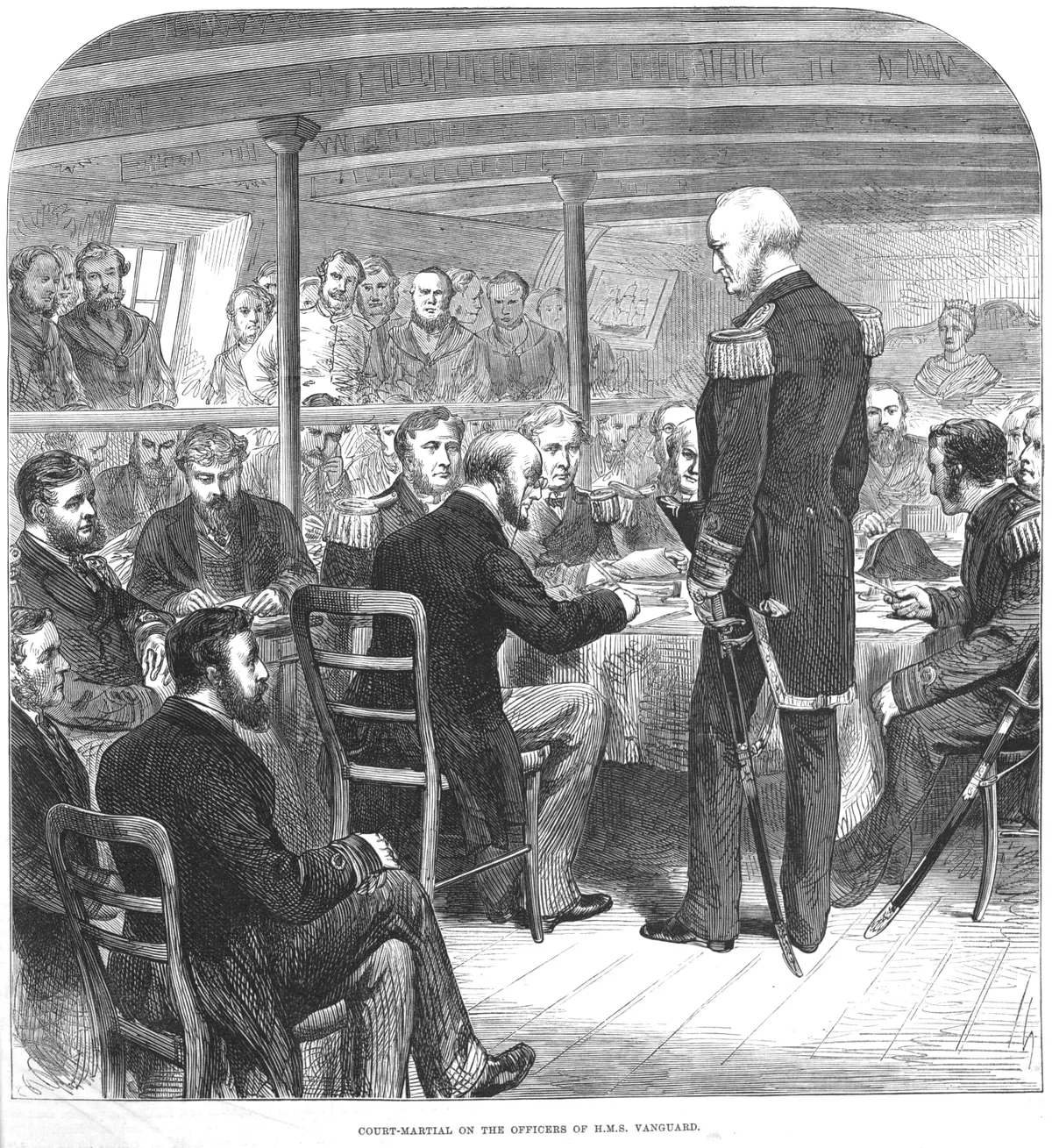
Every ruling, objection, and verdict rests on one person keeping up with the room.
Alexandria Lucas · October 19, 2026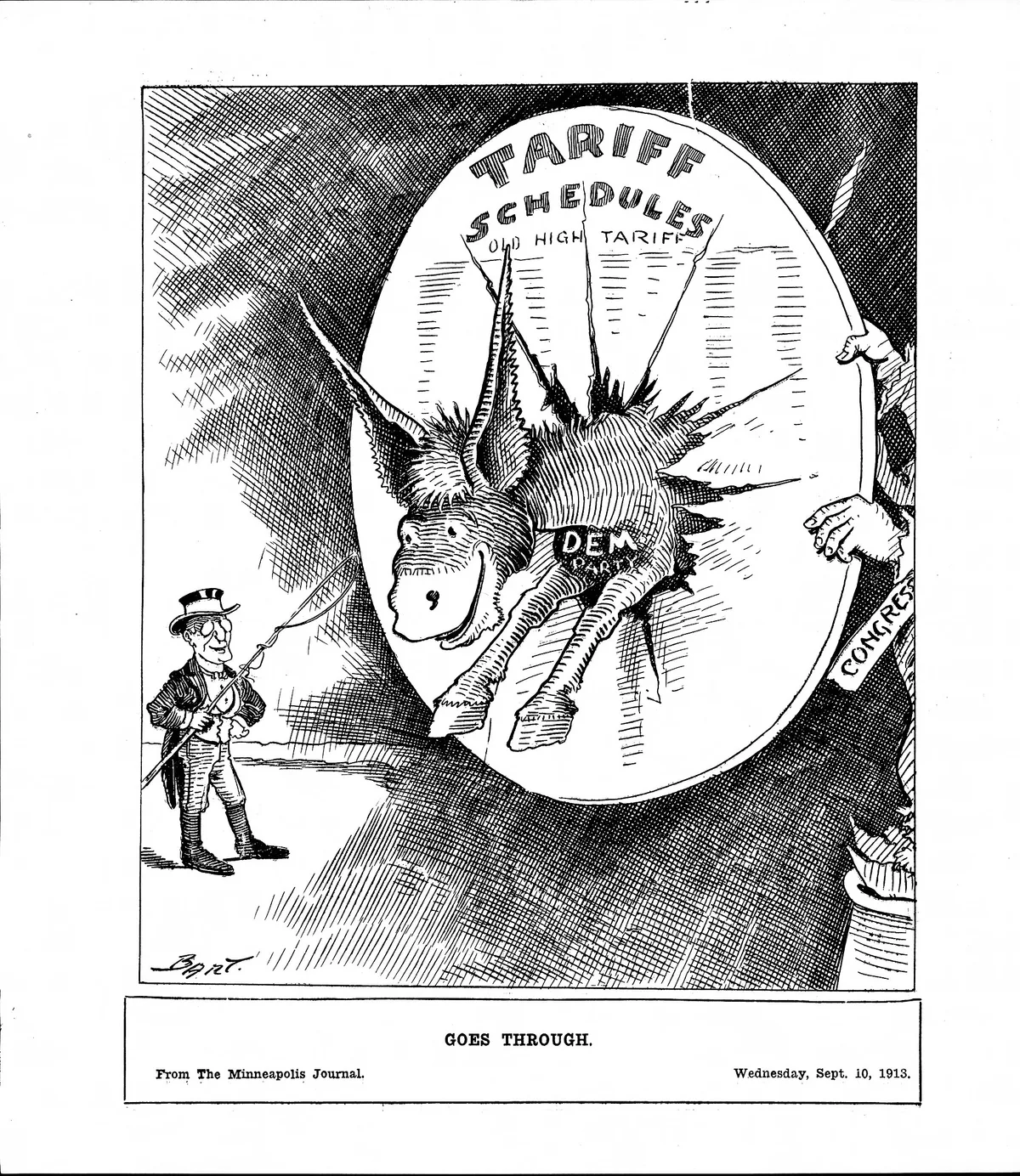
A duty is charged at the port. The price change shows up later, and not always in full.
Asha Venkataswamy · October 17, 2026
Three words get swapped constantly in government coverage. They mean three different things, and the difference changes what officials can enforce.
Alexandria Lucas · October 3, 2026
Three entry routes into government, think tanks, and advocacy research — and what each one actually asks of you.
Alexandria Lucas · October 2, 2026A policy brief is a decision document, not a report. Structure, length and wording decide whether it gets read or filed.
Asha Venkataswamy · September 23, 2026The Congressional Review Act runs on several clocks at once. Here is what each one counts, why the Senate needs only 51 votes, and what a disapproved rule can never become.
Alexandria Lucas · August 20, 2026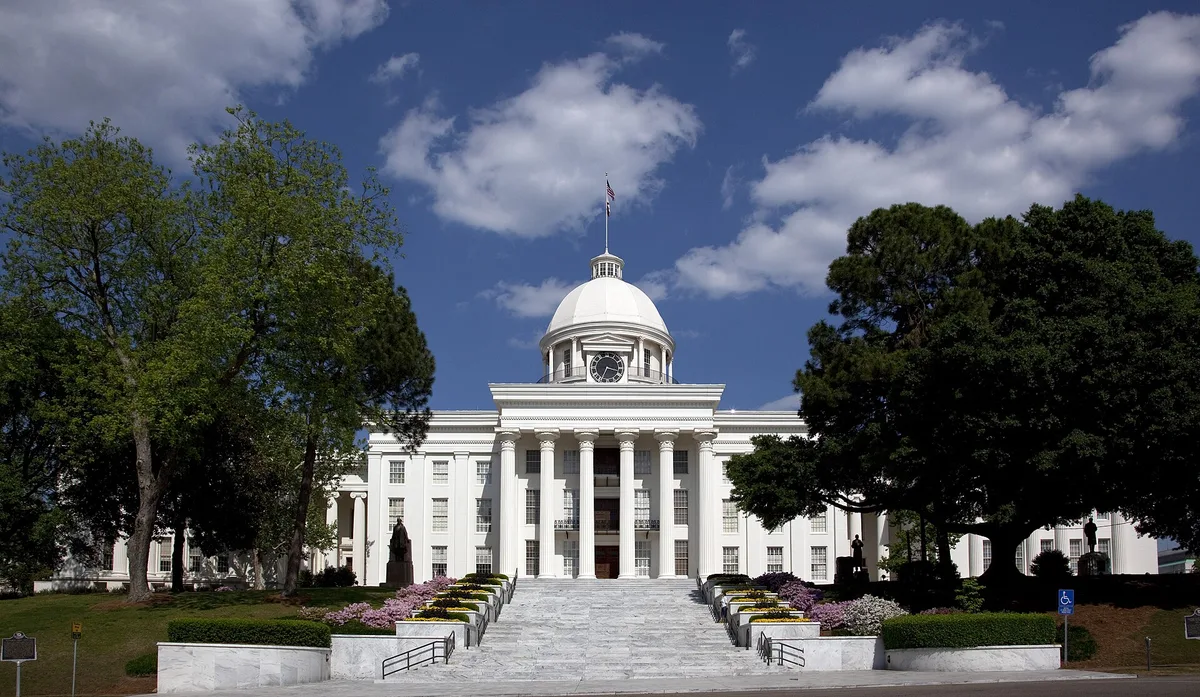
HB 580 took effect Oct. 1, but Auburn, Jacksonville State and Troy each read it differently — and the text itself allows that.
Nathan Brooks · October 10, 2026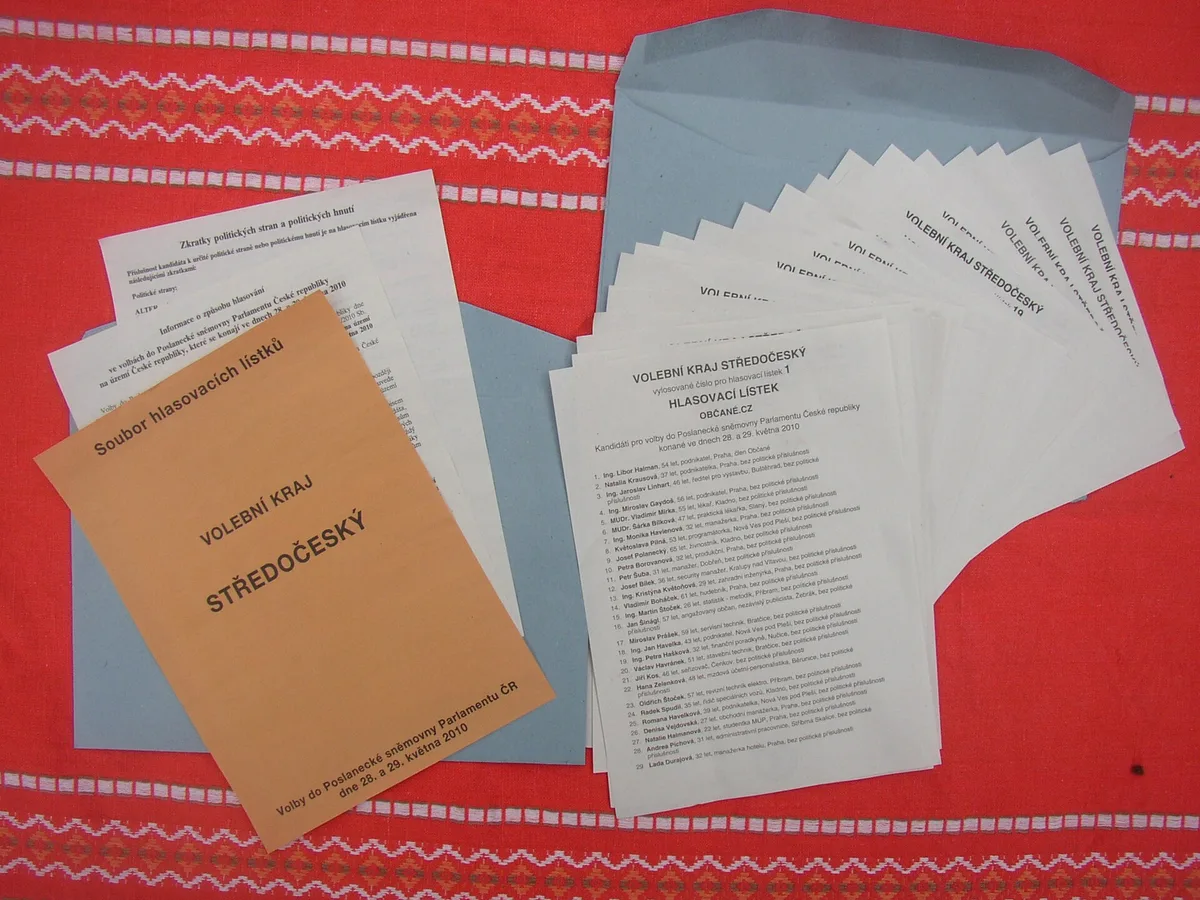
Single-issue voters let one cause decide their vote, and campaigns take notice. Here is who they are, why they matter, and where their influence stops.
Christopher Lee · October 6, 2026
Most readers stop at the headline number. The three checks below take two minutes and catch most of what polls hide.
Christopher Lee · October 2, 2026
Endless study is not rigor. It is a failure mode with a known shape, and institutions can design around it.
Christopher Lee · September 21, 2026
Most legislation is never defeated on a floor vote — it expires through referral, calendars, and inaction, by design.
Christopher Lee · August 28, 2026
Discovery, depositions and quiet negotiation decide most cases long before a jury is seated.
Asha Venkataswamy · September 30, 2026
The measure targets landscapers, schools and local governments, but the details that will decide whether it works have not been released.
Nathan Brooks · September 30, 2026The deal mechanics, pressures, and trade-offs that quietly resolve most criminal dockets.
Nathan Brooks · September 27, 2026The 2022 rewrite of the Electoral Count Act set a one-fifth objection threshold, named the state executive as the single certifying official, and made the presiding officer's role ministerial. Here is the mechanism, section by section.
Nathan Brooks · August 18, 2026
A 2018 recommendation to write down the rules stayed unresolved. Now it sits on a top-three priority list.
Alexandria Lucas · October 2, 2026
Ballot curing is the verification step that gives a mismatched-signature mail ballot a second chance — and the rules differ sharply by state.
Alexandria Lucas · August 26, 2026Post-2024 election litigation runs through certification procedures rather than recounts — and the deadlines, not the arguments, decide what courts can still do.
Alexandria Lucas · August 24, 2026A mismatched or missing signature doesn't end a mail ballot's chances. Election offices flag it, notify the voter, and give them a fixed window to fix it — a process with its own deadlines, tiers of review, and paper trail.
Alexandria Lucas · August 16, 2026
Buying into a brand means buying a contract. Here is what the agreement actually requires.
Asha Venkataswamy · September 29, 2026
Resolution 11/7 gives UNODC, International IDEA and IFES an agreed framework — and a 2026 work plan to test it.
Asha Venkataswamy · September 25, 2026A 2025 rule change and an August 2026 final rule stripped the Corporate Transparency Act down to foreign-registered companies only. Here is who still has to file, by what deadline, and what happens to the millions of reports already collected.
Asha Venkataswamy · August 12, 2026The Supreme Court held on February 20 that IEEPA does not authorize tariffs — since then, importers, Customs and the surviving 232/301 lanes have been working out what money moves and which duties stay.
Asha Venkataswamy · August 5, 2026