Business and market developments driven by political decisions: tax bills, tariff schedules, agency appointments, subsidy programs and procurement changes. Items identify the industries exposed and the timing of any effect. Read by corporate affairs teams, investors and analysts pricing political risk.
Decisions issued in the first week of June went the regulators' way in cases testing agency authority over communications and securities markets — a signal for the regulatory dockets ahead.
Advanced-semiconductor restrictions run on licenses, entity lists and country groups — a Commerce Department process companies can read in the regulations rather than the headlines.
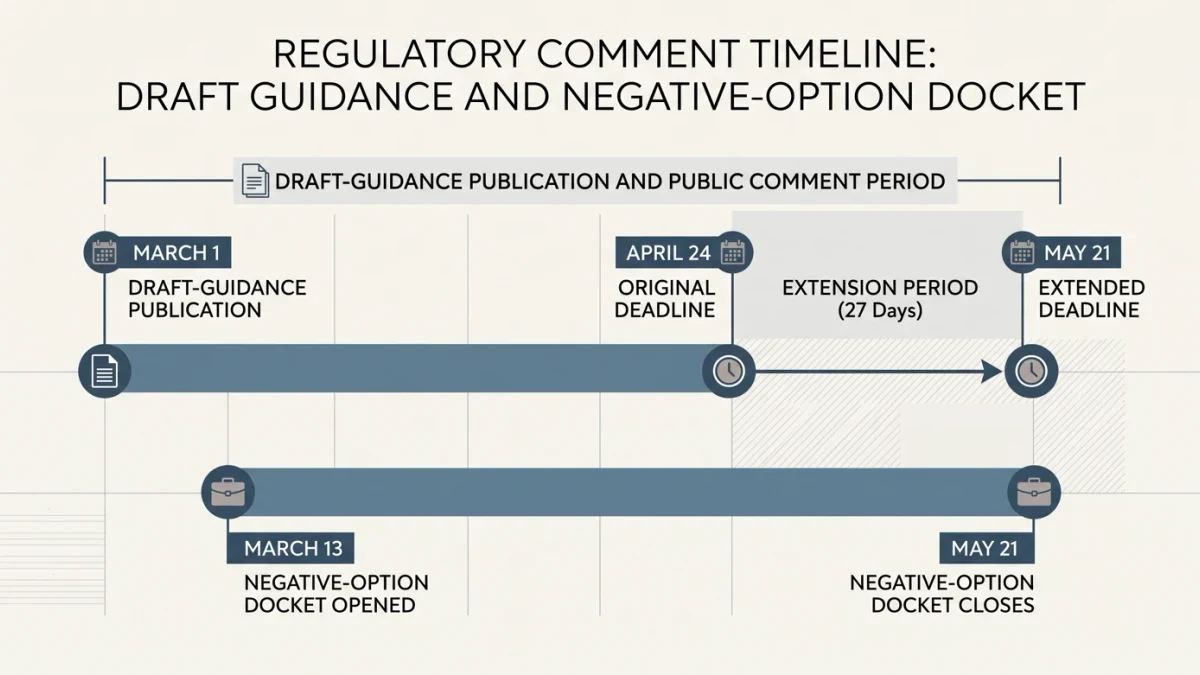
The agencies gave stakeholders an extra month on draft guidance for business collaborations — the joint-venture and competitor-cooperation rules that shape alliances from pharma to chips.
The Dodd-Frank provision directs collection and reporting of small-business credit data — including borrower demographics — through a rule whose compliance dates have moved with each legal and administrative turn.
A Federal Register notice published February 27 formally withdrew the 2023 joint-employer standard and restored the narrower 2020 test — reshaping franchise and contractor liability while the SEC opened a crypto rulemaking.