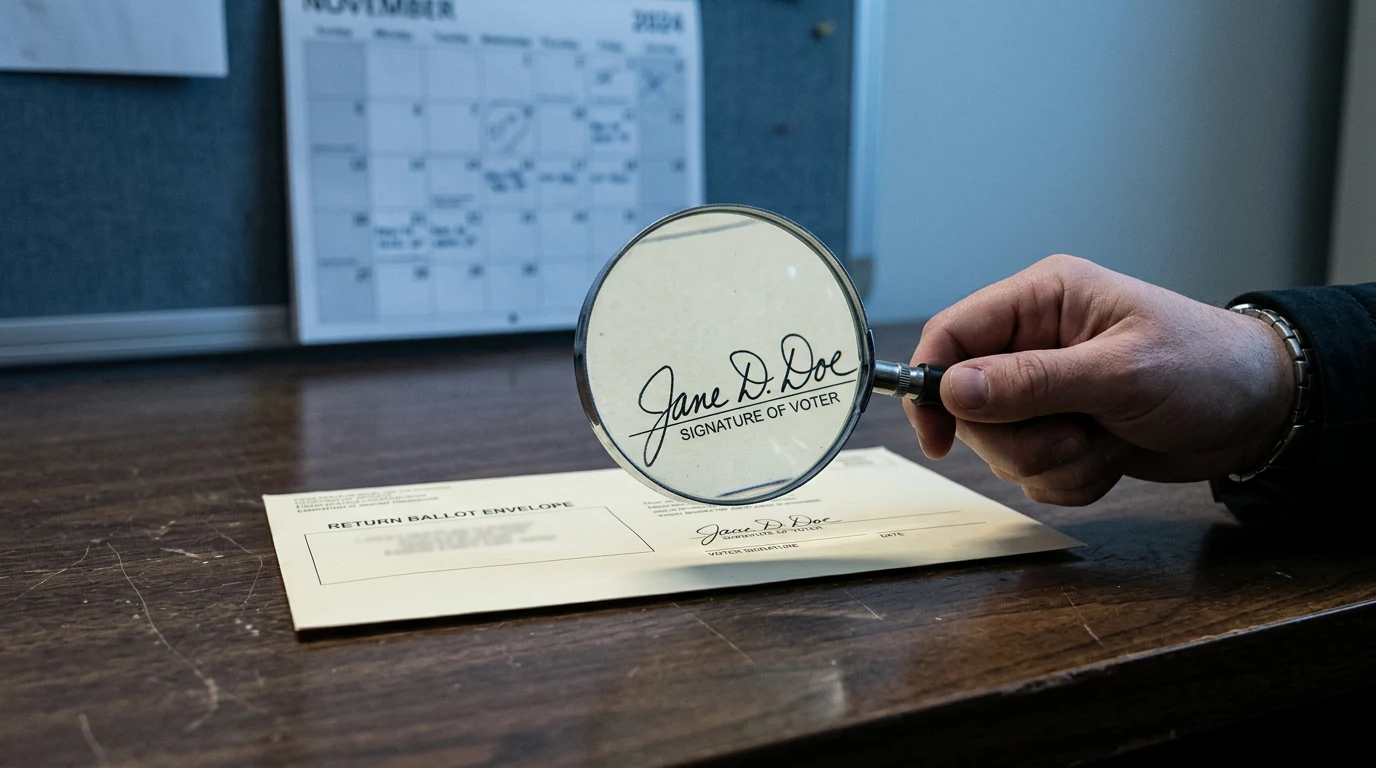
South Carolina's U.S. Senate seat changed hands twice in one month through two different legal mechanisms. Senator Lindsey Graham, the Republican nominee selected at the June 9 primary, died on July 11, 2026. On July 13, Governor Henry McMaster appointed Graham's sister, Darline Graham, to fill the seat for the remainder of the term — the Seventeenth Amendment's temporary-appointment mechanism, which South Carolina's law implements by gubernatorial appointment. Separately, because the deceased nominee cannot appear on November's ballot, state law required the party to select a replacement nominee through a new special primary process, with the Republican contest set to run before the general and the Democratic nominee, Annie Andrews, already chosen in June, per the state's published election calendar.
How the Seventeenth Amendment vacancy process runs
When a Senate seat vacates, the amendment directs that state legislatures empower governors to make temporary appointments «until the people fill the vacancies by election.» South Carolina is an appointment state: the governor names a successor who serves until the next regular or special election. Roughly a dozen states instead require an immediate special election with no appointment, a design choice each state has made in its own statute — the reason identical tragedies produce different mechanics in different states.
What happens to a deceased nominee's ballot line
State party-qualification rules control: in South Carolina, a nominee's death triggers a new party nomination process rather than a simple committee substitution, which is why the Republican field must re-run. If the vacancy had occurred after the ballot-printing deadline in states with substitution statutes, party committees could name replacements directly — the timing of a vacancy, not the fact of it, decides the procedure.
What comes next
- Special Republican primary: the party's nominee contest, including a runoff if no candidate clears a majority — South Carolina requires runoffs, unlike most states.
- November ballot: the special-primary winner versus the June-selected Democratic nominee, with the winner serving the full six-year term beginning January 2027.
- The appointed senator's status: Darline Graham serves until the election winner is certified, and is herself a candidate in the special process per the state's filings.
The procedural consequence
The episode compresses the whole vacancy architecture into one news cycle: an appointment within 48 hours, a nomination reopened within weeks, and a general election now proceeding with one party's nominee chosen in August rather than June. For election-law readers, the lesson is the usual one — the statutes wrote this script years ago; July merely performed it.
FAQ
Can governors always fill Senate vacancies?
In most states yes, by temporary appointment under the Seventeenth Amendment; a minority of states require immediate special elections instead.
Why a new primary instead of a party-committee pick?
South Carolina's rules route nominee replacement through a fresh primary when time permits; committee substitution applies mainly after ballots print.
Does South Carolina use runoffs?
Yes — primary majorities are required, with a runoff between the top two if no one clears 50 percent.