When a company goes public, it sells shares to outside investors for the first time on a stock exchange. The process runs through an underwriter, a regulatory filing, a marketing tour called a roadshow, and a first day of trading. It usually takes months of preparation before a single share changes hands.
The payoff is access to a huge pool of capital and a way for early owners to cash out. The cost is disclosure. Public companies must report their finances on a fixed schedule, and their shares can be traded by anyone. That trade-off shapes every step below.
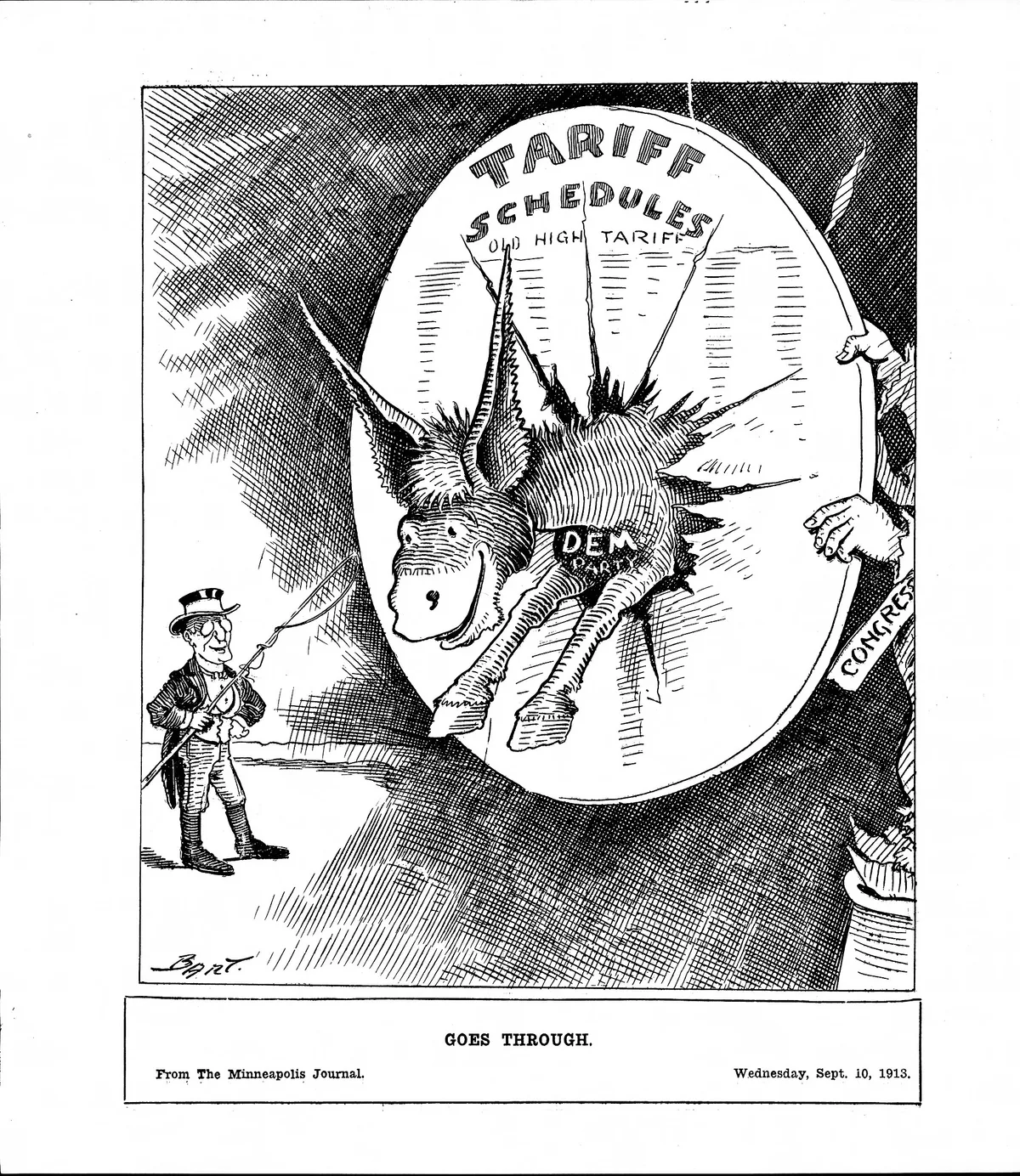
The rules behind the process are not new. According to Wikipedia's overview of company law, the Wall Street crash of 1929 led directly to the New Deal reforms of the Securities Act of 1933 and the Securities Exchange Act of 1934, which created the Securities and Exchange Commission and required corporations to disclose material information to the investing public. Those statutes still define what a company going public must do today.
What is an IPO, exactly?
An initial public offering, or IPO, is the first sale of a company's shares to the public. Before it, the company is private: its owners are founders, employees and a small set of investors. After it, ownership is spread across public shareholders, and the shares trade on an exchange.
The change is legal as much as financial. A corporation is a separate legal entity from its owners, which is what allows it to issue shares to strangers. Reference works such as the Cambridge Dictionary treat the company as the basic unit that investors buy into, sell or take over — and an IPO is the moment that becomes possible at scale.
Why does a company go public?
Most companies go public to raise money. Selling shares brings in capital that does not have to be repaid, unlike a loan. That money can fund factories, hiring or acquisitions. A public listing also gives early investors and employees a way to sell their stakes, and it hands the company a currency — its own stock — it can use in deals.
There are downsides, and they are real. Public companies face higher reporting requirements than private ones, a difference that shows up clearly in any comparison of private and public ownership. Founders answer to a board and to shareholders. Short-term pressure from quarterly results can clash with long-term plans. Some firms decide the trade is not worth it and stay private for good.
What are the main steps in the IPO process?
The sequence is broadly the same for most companies, though timing varies with market conditions and the company's own readiness.
- Pick the underwriters. The company hires one or more investment banks to manage the offering. The lead bank, called the bookrunner, coordinates the rest.
- Prepare and file the registration statement. The company drafts a detailed document — in the United States, the S-1 — describing its business, finances and risks. Regulators review it and often send comments that require revisions.
- Build the roadshow. Executives travel to meet institutional investors, the funds and asset managers likely to buy large blocks of stock. The goal is to gauge demand and build a roster of buyers.
- Set the price. Based on investor interest, the company and its underwriters agree on an offer price and the number of shares to sell.
- Trade. The shares begin trading on an exchange, usually under a new ticker symbol. The underwriters support the opening and help smooth early trading.
Each step can slip. A weak market, a regulator's comment letter or soft roadshow demand can delay a deal or shrink it. Companies that read investor appetite wrong sometimes pull the offering entirely and wait.
What does an underwriter actually do?
The underwriter is the middleman who makes the deal work. The bank advises on timing and price, markets the shares to investors, and often buys the shares from the company to resell them — taking the risk that buyers may not show up. In exchange, it collects a fee, typically a percentage of the money raised.
Underwriters also do the dull work that matters. They coordinate lawyers and accountants, help draft the risk disclosures, and assemble a research picture for investors. A company choosing an underwriter is choosing a guide through a process it likely runs once. The bank, by contrast, runs IPOs all the time — which is why the relationship gets so much attention.
What is the roadshow and how is the price set?
The roadshow is a compressed marketing tour. Management pitches the company to institutional investors over a period of days or weeks, answering hard questions about growth, margins and competition. Investors submit indications of interest — how many shares they might buy and at what price.
Those indications feed the pricing decision. Underwriters weigh demand against the company's goal of raising as much as possible without leaving buyers nursing losses on day one. Price it too high and the stock sinks after listing, embarrassing everyone. Price it too low and the company leaves money on the table. There is no formula; it is a judgement call made with real stakes on both sides.
Once trading starts, the market takes over. Anyone can buy or sell, and the price moves with supply and demand. Our analysis of how listed shares behave day to day appears in What Really Moves Stock Prices Day to Day — the same forces apply to a brand-new listing.
What is a lockup period?
After the IPO, insiders — founders, executives, employees and early investors — generally cannot sell their shares right away. They agree to a lockup: a waiting period, commonly several months, during which those holdings stay frozen. The restriction protects the new market from a flood of insider selling that could crash the price.
When the lockup expires, insiders may sell, and the market often braces for it. Whether the stock dips depends on how much insiders actually sell and how strong demand is. The lockup is a promise of stability, not a guarantee of one.
What this means for investors and voters
For investors, an IPO is a chance to buy early — and a chance to overpay. New listings are volatile, and the roadshow pitch is written by people selling the stock. Reading the registration statement, with its mandated risk factors, is the closest thing to an independent look.
For the wider public, the process is a window into how disclosure law works. The SEC's authority to demand material information from public companies, born in the 1930s, is the reason every IPO comes with a public paper trail. Similar disclosure debates run through other corners of finance; this publication has followed them in pieces on why most companies no longer file beneficial ownership reports and on regulator wins at the Supreme Court in early-June rulings involving the FCC and SEC. Disclosure rules evolve; the basic bargain — public money for public information — has not. This connects to our earlier piece, Supreme Court Sides With FCC and SEC in Early-June Rulings.
What the evidence establishes is the machinery: underwriters, filings, roadshows, pricing and lockups. What remains uncertain in any given deal is the outcome. Demand, market mood and the company's own performance decide whether a listing soars, stumbles or gets pulled.